Everyday Money Tasks: Pay Utility Bills Online With Ease
To pay utility bills online, users no longer need to visit payment counters or wait in long queues. Electricity, water, gas, broadband, mobile, DTH, and other recurring bills can now be paid through digital platforms in a few simple steps. This makes monthly bill management faster, easier, and more organised.
However, online bill payment should be done carefully. Users should verify biller details, consumer numbers, due dates, amounts, and payment status before and after completing a transaction. Digital payments are convenient, but safe usage and proper record keeping are still important.
What Does It Mean To Pay Utility Bills Online?
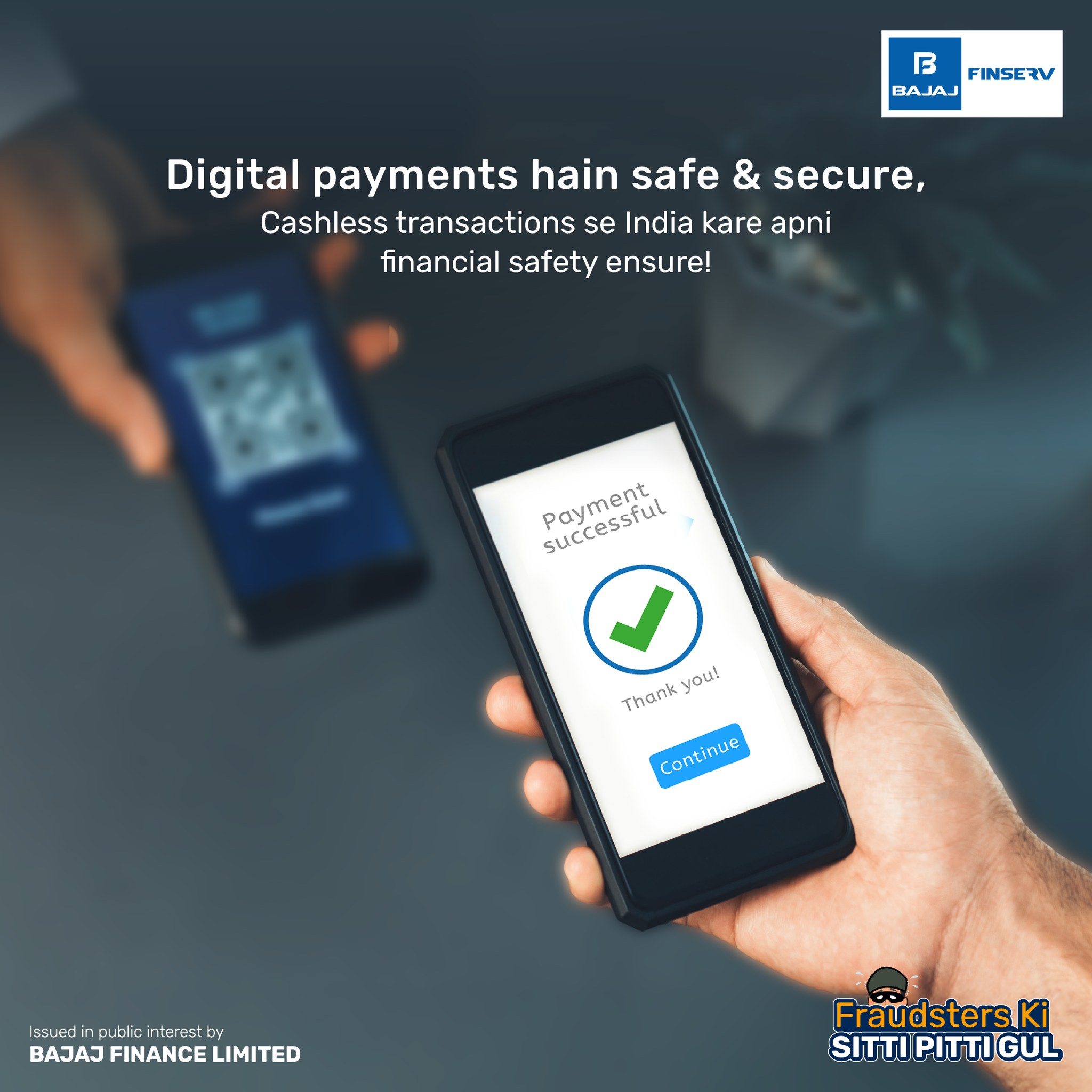
Paying utility bills online means using a digital platform to complete bill payments from a bank account, card, wallet, or UPI-linked account. Instead of paying in cash or visiting a branch, users can enter bill details, confirm the amount, and complete payment digitally.
Online bill payment can be used for many services, including:
- Electricity bills
- Water bills
- Gas bills
- Mobile postpaid bills
- Broadband bills
- DTH recharge
- Landline bills
- Municipal bills
- Subscription payments
- Other recurring services
This helps users manage essential payments from one place.
Why Online Bill Payment Is Useful
Online bill payment is useful because it saves time and gives users more control over recurring expenses. Users can check due dates, pay before penalties apply, and store payment records digitally.
It also reduces dependency on cash and physical receipts. Most platforms provide transaction IDs, payment confirmations, and history sections that help users track completed payments.
For busy users, online bill payment can simplify monthly financial routines.
How Online Utility Bill Payment Works
The online bill payment process is usually simple.
Select The Biller
The user chooses the correct biller or service provider from the platform.
Enter Consumer Details
The user enters a consumer number, mobile number, account ID, or registered customer details.
Fetch Bill Amount
The platform shows the bill amount, due date, and other available details.
Choose Payment Method
The user selects UPI, net banking, card, wallet, or other available payment method.
Confirm Payment
The payment is completed after authentication.
Save Receipt
The user should save the receipt or transaction reference for future use.
Benefits Of Paying Utility Bills Online
Online utility bill payment offers several benefits when used responsibly.
Convenience
Users can pay bills from home, office, or while travelling.
Faster Processing
Many payments are processed quickly through digital systems.
Better Tracking
Users can check payment history and download receipts.
Reduced Late Fees
Reminder features can help users pay before the due date.
Multiple Bill Access
Several bills can be managed from one platform.
Digital Record Keeping
Transaction IDs and receipts can help during disputes or future reference.
Online Bill Payments And Emergency Money Needs
In the middle of monthly payment planning, some users may search for an instant loan when they are short of funds for urgent expenses. While quick credit access may look helpful, users should be careful before borrowing for regular bills.
Utility bills are recurring expenses, so borrowing for them repeatedly can create repayment pressure. Before taking any loan, users should check interest rate, processing fee, EMI amount, repayment date, and total cost. Borrowing should be used only after reviewing repayment capacity.
Safety Tips For Online Bill Payment
Online payments should be handled with care because users are entering financial details and confirming transactions.
Important safety tips include:
- Use official apps or trusted platforms
- Verify biller name before payment
- Check consumer number carefully
- Confirm bill amount and due date
- Avoid unknown payment links
- Do not share OTPs or PINs
- Use secure internet connection
- Save transaction reference
- Update apps regularly
- Review bank statements
These steps can reduce payment errors and fraud risks.
Common Mistakes To Avoid
Users should avoid common mistakes while paying bills online.
Choosing The Wrong Biller
Always select the correct service provider before making payment.
Entering Wrong Consumer Number
A wrong number may lead to payment failure or wrong bill fetch.
Ignoring Payment Status
Users should check whether the payment is successful, pending, or failed.
Paying After Due Date
Late payment may attract penalties or service disruption.
Not Saving Receipt
Transaction references help if there is a dispute.
Using Unverified Links
Unknown links may lead to fraud or fake payment pages.
How Online Bill Payment Helps Budgeting
Paying bills online can help users understand their monthly spending pattern. Since digital records are available, users can review how much they spend on electricity, internet, mobile, gas, and other services.
This helps in planning a monthly budget. If one bill is increasing regularly, users can investigate usage habits or compare plans. Reviewing past bills can also help identify unusual charges.
Online bill payment becomes more useful when users treat it as part of monthly money management.
Payment Receipts And Dispute Handling
A digital receipt is important after every successful bill payment. It usually includes transaction ID, biller name, payment amount, date, and status.
If a payment is deducted but the bill is not updated, users should first check the payment status. Some payments may take time to reflect. If the issue continues, the transaction ID can be used to raise a complaint with the platform or biller.
Users should avoid making repeated payments immediately unless the previous payment has clearly failed.
Planning Savings Along With Bill Payments
While managing monthly bills, users may also consider savings options such as FD for parking money based on their goals and risk comfort. Fixed deposits can help some users separate savings from daily spending and keep funds organised for future needs.
However, bill payments and savings planning should be handled separately. Essential bills should be paid on time, while surplus money can be allocated toward savings or investments after reviewing liquidity needs, interest rates, tax impact, and financial goals.
Conclusion
Paying utility bills online can make monthly money management faster, easier, and more organised. Users can pay electricity, water, gas, broadband, mobile, and other bills digitally while keeping transaction records for future reference.
To use online bill payment safely, users should verify biller details, check amounts, avoid unknown links, protect OTPs and PINs, and save receipts. With careful usage, online bill payment can support convenience, budgeting, and better financial discipline.